

Understanding Fibroid Disease
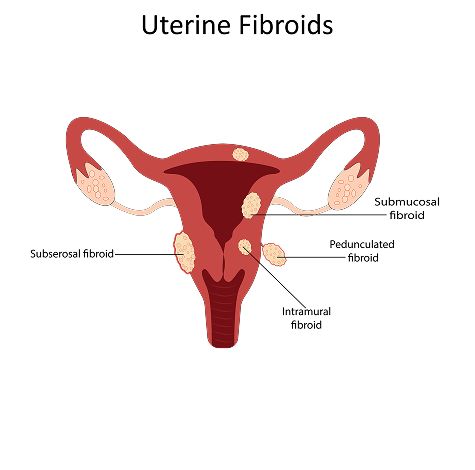
Fibroid disease refers to the development of uterine fibroids, which are non-cancerous growths that form within or around the uterus. While fibroids are common, they can affect each person differently. Some women may not notice any symptoms, while others experience changes that can impact daily comfort and overall well-being.
For those experiencing symptoms, fibroids can contribute to pelvic pressure, discomfort, and changes in menstrual patterns, sometimes making it difficult to go about everyday activities with ease.
What Causes Fibroids?
The exact cause of uterine fibroids is not always fully understood. However, several factors may play a role in their development, including hormonal influences, genetic factors, and changes in the muscle tissue of the uterus
Fibroids can vary in size, number, and location. Some may remain small and stable, while others may grow over time and begin to cause symptoms. Because fibroid growth patterns can differ from person to person, symptoms and experiences may also vary.
Types of Uterine Fibroids
Fibroids are typically classified based on where they develop within the uterus:

Intramural fibroids
located within the muscular wall of the uterus
Submucosal fibroids
grow just beneath the inner lining of the uterus
Subserosal fibroids
develop on the outer surface of the uterus
Pedunculated fibroids
attached to the uterus by a thin stalk
The location of fibroids can influence the type and severity of symptoms a patient may experience.
Symptoms of Fibroid Disease
While some fibroids do not cause noticeable symptoms, others may lead to a range of changes that can affect daily life.
Common symptoms may include:
Pelvic pressure or a feeling of fullness
Abdominal bloating or enlargement
Changes in menstrual cycles, including heavier bleeding
Prolonged periods
Discomfort during certain activities
In some cases, symptoms may develop gradually, making it difficult to recognize fibroids as the underlying cause.
How Fibroid Disease Is Diagnosed
A proper diagnosis is an important step in understanding whether fibroids may be contributing to your symptoms. MRI is often used to evaluate the uterus and identify fibroids. This type of imaging allows physicians to:

Determine the size and number of fibroids
Identify their location within the uterus
Assess how they may be contributing to symptoms
This information helps guide next steps and ensures that patients have a clear understanding of their condition.

When to Seek Evaluation
It may be helpful to seek evaluation if you are experiencing:
Ongoing pelvic pressure or discomfort
Noticeable changes in menstrual cycles
Symptoms that interfere with daily activities
Concerns about possible fibroids or reproductive health
Even when symptoms are mild, gaining clarity about what is causing them can help patients feel more confident in how they move forward.
A Supportive Approach to Women’s Health
We understand that symptoms related to fibroids can be both physical and emotional, especially when they begin to affect daily routines or long-term health considerations. Our goal is to provide a care experience where patients feel heard, respected, and supported throughout the process.
When appropriate, we work closely with OB-GYN physicians and other specialists to ensure that each patient receives well-rounded care tailored to their individual needs.
Moving Toward Clarity
Fibroid disease is common, but that does not mean symptoms should be overlooked. Understanding what is happening in your body is an important step toward feeling more in control of your health.
Contact us today to learn more about minimally invasive fibroid treatments.
Ready to Find Relief?
Call (949) 749-6619 or schedule online