

What Is Renal Vein Compression?
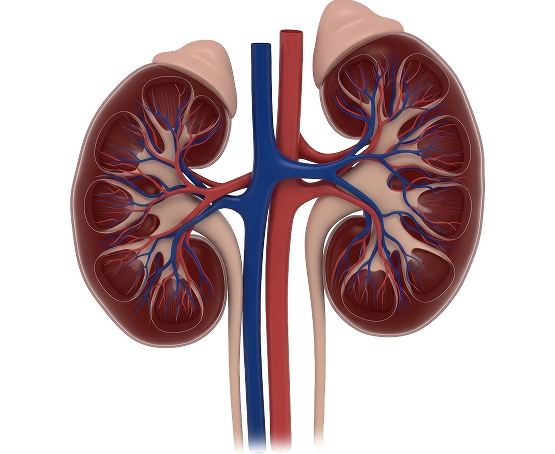
Renal vein compression, often referred to as Nutcracker Syndrome, is a condition that affects how blood flows from the kidney through the veins in the abdomen and pelvis. When the renal vein becomes compressed, it can create increased pressure within the vein, which may contribute to symptoms such as pelvic discomfort or a sense of fullness.
For many patients, these symptoms may not immediately seem connected to a vascular issue. It is common for individuals to explore multiple possibilities before discovering that changes in blood flow may be playing a role.
What Causes Nutcracker Syndrome?
Nutcracker Syndrome occurs when the renal vein becomes compressed between surrounding structures, most commonly between arteries in the abdomen.
This compression can lead to:

Increased pressure within the renal vein
Changes in how blood drains from the kidney
Backflow or redistribution of blood into nearby pelvic veins
Over time, these changes in circulation may contribute to pelvic discomfort or other related symptoms.
Symptoms of Renal Vein Compression
Symptoms of Nutcracker Syndrome can vary and may develop gradually. In some cases, they may overlap with other conditions, making diagnosis less straightforward.
Common symptoms may include:
Ongoing pelvic discomfort or aching
A feeling of pressure or fullness in the lower abdomen
Symptoms that may change in intensity throughout the day
Discomfort that may worsen with certain activities or positions
In some cases, flank or abdominal discomfort
Because symptoms can present in different ways, a detailed evaluation is often needed to determine whether renal vein compression may be contributing.

How Nutcracker Syndrome Is Diagnosed
Accurate diagnosis begins with a comprehensive evaluation of the pelvic and abdominal veins. MRI imaging is used to assess blood flow and identify signs of renal vein compression. This allows our physicians to:

Visualize the renal vein and surrounding structures
Evaluate how blood is flowing through the affected area
Identify pressure changes or abnormalities in circulation
This detailed imaging helps guide diagnosis and ensures that treatment planning is based on a clear understanding of each patient’s condition.

Minimally Invasive Treatment Options
Treatment for Nutcracker Syndrome focuses on relieving pressure within the renal vein and improving blood flow.
Image-Guided Intervention
Depending on the severity of compression and symptoms, a renal vein stent may be placed. This minimally invasive treatment is performed using image-guided techniques that allow for precise, targeted care.
In some cases, treatment may involve:
Improving blood flow through the affected vein
Reducing pressure within the renal and pelvic veins
Addressing symptoms related to altered circulation
Each treatment plan is individualized based on imaging findings and patient symptoms.
What to Expect After Treatment
Recovery following minimally invasive treatment is typically more manageable compared to traditional surgical approaches. However, as circulation recalibrates, you may feel a temporary increase in pressure and associated discomfort. This pain subsides after a few days, varies from patient to patient, and may be treated with pain medication.
Many patients can return home the same day and resume light activities shortly after treatment. As circulation improves, some patients may notice changes in their symptoms over time.

A Collaborative, Patient-Centered Approach
We understand that symptoms related to pelvic and abdominal veins can be complex and sometimes involve multiple contributing factors. Our goal is to provide care that feels both supportive and comprehensive.
When appropriate, we work alongside:
OB-GYN physicians
Pelvic floor therapists
Primary care providers
Other specialists
This collaborative approach helps ensure that each patient’s care is tailored to their individual needs and overall health.
Moving Forward with Confidence
Renal vein compression is not always easy to identify, but understanding its role in pelvic symptoms can be an important step toward finding answers.
At California Pelvic Pain Institute, we are committed to helping patients feel informed, supported, and confident as they explore treatment options that may improve comfort and quality of life.
Ready to Find Relief?
Call (949) 749-6619 or schedule online