

Understanding Pelvic Venous Disease and Chronic Pelvic Pain
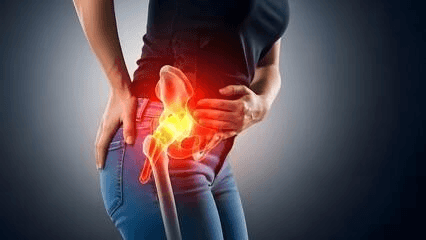
“Pelvic venous disease is a condition that can contribute to chronic pelvic pain, pressure, and discomfort, often without a clear diagnosis for months or even years.”
For many women, symptoms may feel difficult to explain or may overlap with other conditions, making it challenging to find answers.
At California Pelvic Pain Institute, we focus on identifying underlying vascular causes of pelvic pain, including pelvic venous disease. Our goal is to help patients better understand what may be contributing to their symptoms and explore treatment options that may provide relief.
Pelvic venous disease typically involves veins in the pelvis that have become enlarged or weakened, often due to compression or backward blood flow (reflux). These changes in circulation can lead to increased pressure within the pelvic veins, which may result in ongoing discomfort.
Conditions Associated with Pelvic Venous Disease
Pelvic venous disease can involve several related conditions. While each has its own underlying cause, they often present with similar symptoms and are evaluated in a similar way.
Gonadal Vein Insufficiency
May-Thurner Syndrome
May-Thurner Syndrome involves compression of the iliac vein in the pelvis, which can affect blood flow and contribute to increased pressure in nearby veins. This may play a role in pelvic pain and other vascular symptoms.
Learn More About May-Thurner Syndrome
Renal Vein Compression (Nutcracker Syndrome)
Nutcracker Syndrome occurs when the renal vein becomes compressed, which can impact blood flow from the kidney and contribute to increased venous pressure within the pelvis.
Learn More About Renal Vein Compression
While these conditions differ in their specific causes, they are often closely related and may occur together. In some cases, treating one underlying issue may help improve symptoms associated with others.
Common Symptoms of Pelvic Venous Disease
Pelvic venous disease and its associated conditions often present with similar symptoms, which can make diagnosis more complex.
Common symptoms may include:

Chronic pelvic pain or aching
A feeling of pelvic pressure or heaviness
Pain that worsens after long periods of standing or sitting
Discomfort during or after physical activity
Symptoms that may fluctuate over time
Because these symptoms can overlap with other conditions, a thorough evaluation is important to determine whether a vascular cause may be contributing to pelvic pain.
How Pelvic Venous Disease Is Diagnosed
Diagnosing pelvic venous disease typically involves advanced imaging to evaluate blood flow and vein structure within the pelvis.
At California Pelvic Pain Institute, MRI imaging is commonly used to assess the pelvic veins and identify signs of compression, reflux, or enlarged veins. We refer our patients out for MRI then review the findings in the office with you. This approach allows our team to better understand the underlying cause of symptoms and develop an appropriate treatment plan.

Treatment Approach
Although pelvic venous disease may involve different underlying conditions, the overall treatment approach is often similar.Although pelvic venous disease may involve different underlying conditions, the overall treatment approach is often similar.
Minimally invasive procedures are designed to target the affected veins, helping reduce abnormal blood flow and relieve pressure within the pelvis. While the tools and techniques may vary depending on the specific condition, the goal remains the same: to address the source of symptoms in a precise and targeted way.
Because some patients may have more than one contributing condition, treatment planning is individualized to ensure that all relevant factors are considered.
A Collaborative Approach to Care
Pelvic pain can have multiple contributing factors, and vascular conditions are often just one part of the picture. That’s why we take a collaborative, multidisciplinary approach to care.
Our team works closely with:
OB-GYN physicians
Pelvic floor therapists
Primary care providers
Other specialists when appropriate
This coordinated approach helps ensure that patients receive comprehensive evaluation and support, especially when symptoms may be influenced by more than one condition.
Finding Answers and Moving Toward Relief
Living with ongoing pelvic pain can feel overwhelming, especially when answers have been difficult to find. Pelvic venous disease is often underdiagnosed, but with the right evaluation and care, many patients are able to better understand their symptoms and explore effective treatment options.
At California Pelvic Pain Institute, we are committed to helping patients feel heard, supported, and guided every step of the way.
Ready to Find Relief?
Call (949) 749-6619 or schedule online